KAWASAKI 11011-1027 Shaft Rear Air Boxbox Box Cleaner Body Airbox Silencer Housing
fits model: Kz1000e, Kz1000. make: Kawasaki. year: 1979–1980.
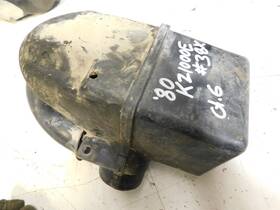
( Manufacturer Part Number: 11011-1027 ), ( Country Of Origin: Japan )
Review KAWASAKI Shaft Rear Airbox Air Box Cleaner Silencer Body Housing fits KZ1000E KZ1000 1979–1980
The **Kawasaki 11011-1027** is a meticulously crafted OEM replacement part designed specifically for the iconic **1979 and 1980 Kawasaki KZ1000E**, a legendary motorcycle renowned for its raw power, timeless design, and enduring performance. This component serves as a **shaft rear airbox, airbox body, and silencer housing assembly**, encapsulating the essential elements that contribute to both the engine s breathing efficiency and exhaust flow. Crafted from high-quality materials, this unit ensures a seamless fit with the original build, maintaining the KZ1000E s signature aggressive stance while delivering the reliability expected from Kawasaki s engineering precision. The airbox housing, in particular, is engineered to optimize airflow into the engine, enhancing throttle response and overall power delivery critical for the KZ1000E s high-revving, torque-rich nature. Meanwhile, the integrated silencer body housing provides a sturdy foundation for the exhaust system, ensuring proper sealing and structural integrity while complementing the bike s aggressive, angular aesthetics. Whether restoring a classic KZ1000E to its former glory or upgrading an existing setup, this **11011-1027 part** offers a perfect blend of functionality and authenticity, allowing riders to preserve the spirit of the original while benefiting from modern durability. Ideal for both restoration projects and performance-minded enthusiasts, it stands as a testament to Kawasaki s legacy of craftsmanship and performance-driven design.
### **Pros and Cons of Buying a Kawasaki KZ1000E (1979-1980) with Shaft Rear, Airbox, Cleaner, and Silencer**
#### **Pros**
1. **Classic Design and Heritage**
The KZ1000E is a legendary motorcycle from the golden era of Japanese sportbikes, known for its aggressive, angular styling and timeless appeal. It holds significant collector value and is highly sought after by enthusiasts.
2. **Strong Performance for Its Era**
The 996cc parallel-twin engine was powerful for its time, producing around 90-100 horsepower, which made it competitive in road racing and street riding. The shaft drive (on later models) reduces maintenance compared to a chain drive.
3. **Reliability and Durability**
Kawasaki s early 1970s engines were well-built, and with proper maintenance, a KZ1000E can last for decades. Many examples still run strong today, especially if the engine has been restored or rebuilt.
4. **Modification Potential**
The KZ1000E is a favorite among tuners. The engine can be upgraded with aftermarket parts (camshafts, headers, carburetors, or fuel injection) to improve performance. The airbox, cleaner, and silencer (muffler) can also be replaced with modern or high-flow alternatives.
5. **Collectible Status**
The KZ1000E is a rare and desirable bike, especially in original condition. Well-preserved examples can appreciate in value over time, making it a good investment for collectors.
6. **Unique Shaft Drive (on 1980 models)**
The shaft drive (introduced in 1980) eliminates chain maintenance, which is a significant advantage over chain-driven bikes. This makes it more reliable for long-distance riding.
7. **Strong Community and Support**
There is a large and active community of KZ1000E owners and restorers, providing access to parts, restoration guides, and forums for troubleshooting.
---
#### **Cons**
1. **High Maintenance Requirements**
While the engine is robust, the bike requires regular upkeep. Points ignition (on older models) can be finicky, and carburetors (CV carburetors on the KZ1000E) need frequent cleaning and adjustment. The shaft drive (if not properly lubricated) can wear out over time.
2. **Outdated Safety Features**
The KZ1000E lacks modern safety features such as ABS, traction control, or advanced suspension tuning. The riding position is aggressive and not ergonomic for long rides, which can lead to fatigue.
3. **Fuel Injection Challenges**
The original CV carburetets are prone to clogging and require precise tuning. Upgrading to fuel injection (FI) is common but adds complexity and cost.
4. **Parts Availability and Cost**
While parts are available, some components (especially for older models) can be expensive or difficult to source. Rebuilding the engine or restoring the bike to original condition may require significant investment.
5. **Riding Experience Limitations**
The bike is heavy (around 450-500 lbs) and not as nimble as modern sportbikes. The suspension is basic, and the brakes (especially on older models) are not as effective as contemporary systems.
6. **Environmental and Emissions Concerns**
The KZ1000E is not street-legal in many areas due to emissions regulations. Even if legal, it may not pass modern smog checks without modifications (such as installing a catalytic converter or switching to fuel injection).
7. **Potential for Hidden Issues**
Many older KZ1000Es have been modified or neglected, leading to hidden problems like seized engines, rusted frames, or worn-out drivetrain components. A thorough inspection is essential before purchase.
---
### **Conclusion**
The Kawasaki KZ1000E (1979-1980) is a fantastic bike for enthusiasts who appreciate classic design, strong performance, and the challenge of maintenance. It is best suited for riders who:
- Enjoy restoring and working on their own bikes.
- Value the bike s historical significance and collectible status.
- Are willing to invest time and money in upgrades and maintenance.
- Plan to use it primarily for track days, cruising, or as a show bike rather than daily commuting.
However, it is not ideal for riders seeking a hassle-free, modern riding experience. The high maintenance, lack of safety features, and potential for hidden issues make it a more specialized purchase.
---
### **Recommendation**
If you are considering buying a KZ1000E, follow these steps to ensure you get a reliable bike:1. **Inspect Thoroughly**
- Check the engine for signs of wear, oil leaks, or unusual noises.
- Test the carburetors (or fuel injection system if upgraded) for proper operation.
- Inspect the shaft drive (if present) for wear and proper lubrication.
- Look for rust, frame cracks, or suspension damage.
2. **Test Ride**
- Pay attention to throttle response, braking, and handling. The bike should not have excessive vibration or rough idling.
3. **Documentation and History**
- Ask for service records or proof of past restorations. A bike with a clear history is less likely to have hidden problems.
4. **Budget for Restoration**
- Be prepared to spend several thousand dollars on repairs, upgrades, or restoration. Consider whether you want a "project bike" or a fully restored example.
5. **Consider Alternatives**
- If you want a classic bike with lower maintenance, look at later models like the 1980 KZ1000S (which had fuel injection) or other reliable classics like the Suzuki GS1000 or Yamaha FZ750.
6. **Join the Community**
- Connect with KZ1000E owners and forums (such as ClassicBike.com or Kawasaki forums) for advice on buying, restoring, and maintaining the bike.
**Final Verdict:**Buy the KZ1000E if you are passionate about classic motorcycles, enjoy mechanical work, and want a bike with strong performance and character. Avoid it if you prefer low-maintenance, modern bikes or are not willing to invest time and money in upkeep.
Details:
Removed from a 1980 KZ1000E.
part #: 110111027 prices
- $44.09-$102.98
specifications intakefuelmotorcycle:
- for models: Kz1000e, Kz1000
- for makes: Kawasaki
- for years: 1979-1980
- mpn: 11011-1027
- country of origin: Japan
shipping intakefuelmotorcycle:
- service: USPS Ground Advantage
- cost: $0.00
- transit: 4-10 Days
- type: Calculated
- carrier: USPS
- class: Standard
returns intakefuelmotorcycle:
- policy: No Returns
payments intakefuelmotorcycle:
- other
- credit card: Diners-club
- wallet: Google-pay
offer intakefuelmotorcycle:
- started: March 15, 2026
- options: Ship-to-home
- sold: 0
- quantity: 1
- availability: In Stock
general intakefuelmotorcycle:
- Motorcycle Scooter Parts Accessories > Air Intake Fuel Delivery > Other Air Intake Fuel Delivery
- condition: Used
seller intakefuelmotorcycle:
- city: Lerna, Illinois
- # reviews: 134
- rating: 98.3%
Kawasaki 11011-1027 Is Similar To:
- Zr750c Zephyr Usa 91-93 Filter Kawasaki Ship 1011-0365 Air Free Flo (29.9% similar) ...(August 29th, 2014)
- 1011670001 Kawasaki Maier Aftermarket Kfx Air Box Cover Black (37.3% similar) New kawasaki air box cover black. Contact your local dealer for fitment questions. All parts are marked from the riding position. This item for sale may fit other makes, model's, and years...(November 19th, 2018)
- 1060162 Kawasaki Ninja Airbox Air Intake Filter Box (42.4% similar) More options available upon request. If the item does not fit motorcycle model's specified in listing. Each part is systematically placed to be easily located once purchased. Many countries only allow 79 max package length and girth combined...(July 5th, 2018)
- Kle 11010-0108 Ex650r Air Kawasaki Ninja Er Versys 650 Box (20.1% similar) Please feel free to ask questions or picture requests. This list is a courtesy. I took many pictures of all angles so take a look. See list below. This item is in used condition see pictures. See pictures. It has a few scuffs and is missing a few screws as shown. This item is an air box from a 2006...(August 30th, 2014)
- 11010-0153 Not Specified Kawasaki Versys Airbox Air Intake Filter Box (39.1% similar) I combine shipping as long it fits in the same box. These are used parts, so I ask you to please look at pictures and read the carefully. Removed from: kawasaki with miles please review all pictures to assess the condition of item. Oem parts aftermarket tires Yamaha Suzuki BMW accessories tools ...(March 31st, 2019)
- 11010-0156 Not Specified Kawasaki Ninja Airbox Air Intake Filter Box (38.1% similar) 2009 kawasaki ninja 650R EX650C air box this is in very good condition and shows normal signs of wear. Please see pictures. Removed from a kawasaki ninja 650R EX650C comes as pictured...(August 22nd, 2018)
- 11010-0198 Kawasaki Ninja Air Intake Box Airbox Filter Housing (40.7% similar) So we wish for you to only have a positive experience. What is in the pictures. Addition photo may be seen in top left corner of this listing by using scroll bar. You can also be assured that the service will continue after receive purchase. Larger sized items may go FedEx ground. Can't find the ...(June 27th, 2018)
- 11010-071-21 Kawasaki 1977 Ke125 Air (29.4% similar) Or visit our for tons of great deals on new and used parts. Some bags could be ripped or may have been taped up, hardware missing. Item: 5611: please review all of the photos...(February 21st, 2018)
- 11010-0713 Yamaha Kawasaki Ninja Airbox Air Intake Filter Box (39.8% similar) Removed from: 2013 kawasaki ninja ZX10R ZX1000J with unknown miles please review all pictures to assess the condition of item. R cycle parts 2013 kawasaki ninja ZX1000J ZX10R air box air intake filter box this is in very good condition and shows normal signs of wear...(March 29th, 2019)
- 11010-0841 Kawasaki Versys Airbox Air Intake Filter Box (42.6% similar) Kawasaki versus 650 air box air intake filter box this is in very good condition and shows normal signs of wear. Removed from: please review all pictures to assess the condition of item...(October 2nd, 2018)
- 11010-1017 Kawasaki Kz Airbox Air Intake Filter Element Housing Box (45.5% similar) Be 8VSC88AZI2I please review all pictures to assess the condition of item...(August 21st, 2018)