ARCTIC CAT 1670-185 Air Boxbox Silencer Boot Intake Box Carb Airbox Plenum
fits model: Zrt, 800. make: Arctic-cat, Arctic. year: 1999.
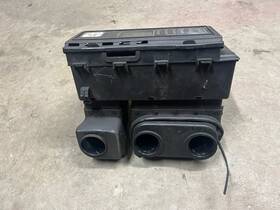
( Brand: Arctic Cat ), ( Manufacturer Part Number: 1670-185 ), ( Part Type: Intake Silencer Boot Box )
Review ARCTIC CAT Airbox Silencer Assembly Boot Intake Air Box Plenum Carb fits ZRT 800 1999
The **Arctic Cat 1999 ZRT 800 Airbox Silencer Boot, Intake Air Box, and Plenum Assembly** represents a critical and often overlooked component of the iconic ZRT 800 s performance and longevity, ensuring optimal airflow while protecting the engine from debris and environmental contaminants. This meticulously engineered assembly is designed to work in harmony with the ZRT s 800cc two-stroke engine, delivering clean, filtered air directly to the carburetor for peak combustion efficiency. The **silencer boot** acts as a flexible yet durable conduit, connecting the airbox to the carburetor while minimizing vibration-induced wear, a common failure point in off-road applications where rough terrain and constant movement stress the system. Crafted from high-quality rubber and reinforced with durable fabric webbing, this boot maintains its integrity even under extreme conditions, preventing air leaks that could compromise throttle response and power delivery.
The **intake air box** itself is a precision-molded component, featuring a sealed design that maximizes airflow while filtering out dust, dirt, and other abrasive particles that could damage the carburetor or internal engine parts. Its compact yet robust construction ensures minimal restriction, allowing the ZRT s high-revving two-stroke engine to breathe freely, which is essential for maintaining the aggressive acceleration and top-end performance that Arctic Cat s ZRT models are renowned for. The **plenum**, a critical pressure chamber, evenly distributes air into the carburetor, ensuring consistent fuel-air mixture regardless of throttle position whether cruising at low RPMs or unleashing the full power of the 800cc engine under heavy load.
For enthusiasts and mechanics alike, this assembly is a testament to Arctic Cat s attention to detail in off-road engineering. Whether restoring a classic ZRT or upgrading an existing setup, replacing worn or damaged components with an authentic **1999 ZRT 800 airbox silencer boot, intake air box, and plenum** ensures that the engine operates at its intended performance level while extending the lifespan of critical components. Proper installation requires careful alignment to prevent air leaks and ensure a snug fit, as even minor gaps can disrupt airflow and reduce power. This assembly is not just a functional part it s a key element in preserving the raw, exhilarating driving experience that Arctic Cat s ZRT 800 was designed to deliver.
Buying a set of aftermarket parts like the Arctic Cat 1670/185 (1999 ZRT) airbox, silencer boot, intake, air box, plenum, and carburetor upgrade involves trade-offs in performance, reliability, and cost. Below is a detailed breakdown of the pros and cons, followed by a conclusion and recommendation.
---
### **Pros of Purchasing Aftermarket Parts for a 1999 Arctic Cat ZRT 800**
1. **Improved Performance**
- **Airbox and Intake Upgrades**: Modern aftermarket airboxes are often designed with better airflow dynamics, reducing restriction and increasing horsepower and torque. High-flow air filters (like K&N or similar) can improve airflow while maintaining durability.
- **Plenum Modifications**: A tuned plenum can help optimize airflow distribution to the carburetor, leading to smoother throttle response and better power delivery, especially at higher RPMs.
- **Silencer Boot and Exhaust Upgrades**: Some aftermarket boots and exhaust systems are lighter and less restrictive, allowing exhaust gases to exit more efficiently. This can improve engine breathing and, in some cases, reduce backpressure.
- **Carburetor Upgrades**: If the stock carburetor is outdated or poorly tuned, an aftermarket unit (e.g., a higher-flow Keihin or Walbro) can provide better fuel delivery, especially for aggressive riding styles or modified engines.
2. **Enhanced Durability and Reliability**
- Many aftermarket parts are built with higher-quality materials than stock components. For example, some airboxes use reinforced plastics or aluminum to prevent cracking or warping over time.
- Upgraded gaskets and seals can reduce leaks, improving engine efficiency and longevity.
3. **Easier Maintenance and Accessibility**
- Some aftermarket airboxes and plenum designs are modular, making it simpler to clean or replace filters without disassembling the entire engine. This can save time and effort during routine maintenance.
- Clearer access to components (e.g., carburetor adjustments) can make tuning easier for DIY enthusiasts.
4. **Aesthetic Appeal**
- Aftermarket parts often come in sleeker or more aggressive designs, which can enhance the bike s appearance. This is particularly appealing for custom builds or show bikes.
5. **Potential for Increased Resale Value**
- If you plan to sell the bike later, some aftermarket upgrades (especially performance-oriented ones) can attract buyers looking for a modified or high-performance machine.
6. **Compatibility with Other Mods**
- Upgrading the airbox, intake, or carburetor can complement other modifications (e.g., exhaust, clutch, or transmission upgrades) by ensuring the engine is running optimally across the RPM range.
7. **Customization and Tuning Flexibility**
- Aftermarket parts often allow for easier tuning via ECU remapping or manual carburetor adjustments. This can help fine-tune the bike to your riding style or track use.
---
### **Cons of Purchasing Aftermarket Parts for a 1999 Arctic Cat ZRT 800**
1. **Cost**
- Aftermarket parts can be significantly more expensive than stock components. For example, a high-quality airbox, plenum, and carburetor upgrade could cost several hundred dollars, which may not be justified for casual riders or those on a tight budget.
- Labor costs for installation (if not DIY) can add to the expense, especially if professional help is required.
2. **Potential for Voiding Warranty**
- If the bike is still under warranty, installing aftermarket parts may void coverage, leaving you responsible for any future repairs. This is a significant risk if the bike is relatively new or has remaining warranty periods.
3. **Compatibility Issues**
- Not all aftermarket parts are guaranteed to fit perfectly. Mismatched dimensions or mounting points can lead to leaks, improper sealing, or even damage to the engine or exhaust system. Researching and sourcing parts from reputable manufacturers is critical.
- Some upgrades (e.g., aggressive carburetor jetting) may require additional modifications to the fuel system or ignition timing to avoid running rich or encountering detonation.
4. **Risk of Overmodding**
- Adding too many performance parts without proper tuning can lead to engine stress, reduced fuel efficiency, or even damage. For example, a high-flow airbox without corresponding carburetor or exhaust upgrades may cause the engine to run lean, leading to overheating or poor performance.
- The 1999 ZRT 800 is not a high-revving or extreme-performance bike by modern standards. Aggressive mods may not yield significant gains and could instead create reliability issues.
5. **Maintenance and Longevity Concerns**
- Some aftermarket parts, particularly high-flow air filters, may require more frequent cleaning or replacement than stock filters. This adds to long-term maintenance costs.
- Cheaply made parts may degrade faster than stock components, leading to premature failure and the need for replacements.
6. **Legal and Emissions Considerations**
- Depending on your location, aftermarket exhaust or air intake modifications may violate emissions regulations, especially if the bike is used on public roads. Some states or countries require original equipment or approved aftermarket parts to pass inspections.
- Modifying the air intake or exhaust can increase noise levels, which may violate local noise ordinances.
7. **Learning Curve**
- Installing and tuning aftermarket parts (especially carburetor upgrades) can be complex and may require mechanical knowledge or professional assistance. Mistakes during installation or tuning can lead to poor performance or engine damage.
8. **Potential Devaluation**
- While some upgrades may increase resale value, others (particularly aggressive or non-standard mods) could deter buyers looking for a stock or lightly modified bike. This is a consideration if you plan to sell the bike in the future.
---
### **Conclusion**
The decision to purchase aftermarket parts for your 1999 Arctic Cat ZRT 800 depends on your priorities, budget, and riding goals. If you are a performance-oriented rider looking to extract more power from your bike, carefully selected aftermarket upgrades (such as a high-quality airbox, plenum, and carburetor) can provide noticeable gains in throttle response, power, and reliability. However, these benefits must be weighed against the costs, potential compatibility issues, and the risk of overmodding.
For casual riders or those who prioritize reliability and longevity over raw performance, stock parts or minimal, high-quality upgrades (e.g., a simple air filter or gasket replacement) may be the better choice. If you do decide to modify, focus on incremental upgrades and ensure compatibility with other systems (e.g., fuel, ignition, and exhaust) to avoid unintended consequences.
---
### **Recommendation**
1. **Assess Your Needs**:- Determine whether you need performance upgrades for track use, daily riding, or aesthetic purposes. If you are not an aggressive rider, the gains from aftermarket parts may not justify the cost.
2. **Prioritize Quality Over Quantity**:- If you choose to upgrade, invest in reputable brands known for compatibility and durability (e.g., Walbro, Keihin, or high-quality airbox manufacturers like K&N or DID). Avoid cheap, no-name parts that may cause more harm than good.
3. **Start Small**:- Begin with a single upgrade, such as a high-flow air filter or plenum, and monitor the results before committing to a full set of modifications. This allows you to gauge performance gains and identify any issues before investing further.
4. **Consult Professionals**:- If you are unfamiliar with carburetor tuning or engine modifications, consult a mechanic or performance tuner. They can help ensure that upgrades are properly matched and tuned to avoid engine stress or poor performance.
5. **Check Local Regulations**:- Verify that any modifications comply with local emissions and noise laws to avoid legal issues or fines.
6. **Consider Stock Reliability**:- The 1999 Arctic Cat ZRT 800 is a solid, reliable bike in stock form. If you are happy with its performance and do not require significant power gains, maintaining the stock setup may be the most cost-effective and hassle-free option.
7. **Budget Wisely**:- Allocate your budget carefully. If you are on a tight budget, focus on upgrades that offer the best return on investment, such as a high-quality air filter or plenum, rather than a full carburetor rebuild.
8. **Document and Monitor**:- Keep records of any modifications, including installation dates and performance metrics (e.g., throttle response, fuel consumption, RPM range). This will help you track the effectiveness of upgrades and make informed decisions about future modifications.
---
**Final Verdict**: If you are committed to performance upgrades and have the budget and mechanical knowledge to handle them responsibly, carefully selected aftermarket parts can enhance your 1999 Arctic Cat ZRT 800. However, if you value simplicity, reliability, and cost-effectiveness, sticking with stock or minimal upgrades may be the better long-term choice. Always prioritize safety, compatibility, and proper tuning to ensure your modifications benefit rather than harm your bike.
Details:
Rear shelf and cones were removed for more flow. Good used air box with carburetor intake boot assembly removed from a 1999 Pantry 800. Boots are in decent shape, still usable.
part #: 1670185 price
- $13.29
specifications intakefuelmotorcycle:
- for models: Zrt, 800
- for makes: Arctic-cat, Arctic
- for years: 1999
- brand: Arctic Cat
- mpn: 1670-185
- part type: Intake Silencer Boot Box
general intakefuelmotorcycle:
- Motorcycle Scooter Parts Accessories > Air Intake Fuel Delivery > Other Air Intake Fuel Delivery
- condition: Used
payments intakefuelmotorcycle:
- credit card: Discover
- wallet: Google-pay
- other
seller intakefuelmotorcycle:
- rating: 100.0%
- # reviews: 444
- city: Walled Lake, Michigan
offer intakefuelmotorcycle:
- options: Ship-to-home
- availability: In Stock
- sold: 0
- started: March 8, 2026
- quantity: 1
returns intakefuelmotorcycle:
- time: 14 Days
- policy: Returns Accepted
- paid by: Buyer
shipping intakefuelmotorcycle:
- cost: $0.00
- type: Calculated
- class: Standard
- carrier: USPS
- service: USPS Ground Advantage
- transit: 4-9 Days
Arctic Cat 1670-185 Is Similar To:
- 019-847 Keihin Series Pilot Jet Arctic Cat Stroke Honda (26.4% similar) This creates confidence and a willingness to do business with you. Details: warranty: unspecified length manufacturer part number: brand: Khan: high quality aftermarket jets for carburetors. Sold individually. Feel free to ask questions before you purchase. Verification identity increases customer...(January 6th, 2019)
- Actuator 500 0502-296 Brand Arctic Cat Oem 4wd 400 (21.6% similar) Bike 7 posted with mobile. Try us first. Higher shipping applied to the upper and lower us states. Application this part will fit other year model's. This is not a 24 hour, 7 day a business for us, so please understand. Have a blessed day. If you are unhappy at, all asap. Once again, call us if you ...(September 11th, 2014)
- Arctic 12-13 Unit Wildcat Pim2 1000i Cat Yoshimura Ems (22.4% similar) Please and let us know the problem you're having. PIM2 software works on PCs running any version of windows. PIM2 installs easily, typically in under 30 minutes using simple plug n play technology. The PIM2 comes pre loaded with two separate fuel injection maps, but the adjust ability is limitless ...(January 5th, 2015)
- 3006-615 Arctic Cat Oem Gasket Intake (34.9% similar) ...(March 18th, 2018)
- Cat 700 Commander 4x4 630411m Usb Power Iii 08 Arctic 630-411m Efi Auto Dynojet (16.7% similar) Gear speed input allows for map adjustment based on gear and speed. Unit has a fuel change range up from , which allows more adjustment. Ten throttle position columns up from nine on xiii USB. Manufacturer part number 630 411M reduced size from xiii USB less than half of the size of xiii. Two ...(November 10th, 2014)
- 273ht Carbontech Carbon Tech High Tension Snowmobile Reed Set Arctic Cat 1000 Twin 2007-2009 (21% similar) Note image is for reference only, actual product may vary slightly depending on your specific application. Carbon tech high tension snowmobile reed set Arctic Cat 1000 twin carbon tech carbon fiber reed sets boost performance and power ht high tension type reeds are for pro level high rpm power made...(June 23rd, 2016)
- 891553 Moose Racing Power Commander Iii Usb Arctic Cat Prowler 1000 2008 (22.4% similar) Note image is for reference only, actual product may vary slightly depending on your specific application...(January 19th, 2016)
- 891712 Moose Racing Power Commander Iii Usb Arctic Cat 700 H1 2008 (20.6% similar) Note image is for reference only, actual product may vary slightly depending on your specific application...(November 26th, 2015)
- Series Pro-223 Arctic Cat Rage Boyesen Pro Sno F1000 07-09 Cage Reed (26.8% similar) Note image is for reference only, actual product may vary slightly depending on your specific application...(August 20th, 2014)
- Moto Tassinari Ag883b-v3112 Arctic Cat Zr800 900 V Force 3 Reeds V3112 (31.4% similar) The reeds are used and show normal signs of use age. Good used v-force 3 reed valves removed from a good running 2003 Arctic Cat mountain 900 carbonated...(February 9th, 2025)
- Sp1 Mn m0xj Intake Mounting Flange For 1981 Arctic Cat El Tigre 5000 F C Fuel And Xl (21.7% similar) SP1 intake mounting flange for 1981 Arctic Cat el tiger 5000 f c - fuel XL: status: in stock...(May 24th, 2025)