HARLEY-DAVIDSON 2790-96A Carburetor Evolution Motor 1300CC
fits make: Harley.
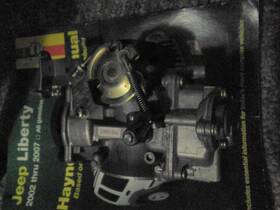
( Brand: Harley-davidson ), ( Manufacturer Part Number: 2790-96A ), ( Part Type: Carburetor Motor ), ( Material: Aluminum ), ( Universal Fitment: No )
Review HARLEY DAVIDSON Carburator 1300cc Evolution Motor
The **Harley-Davidson 2790-96A 1300cc Evolution Motor** is a legendary powerplant that embodies the raw, unfiltered spirit of American motorcycle engineering a testament to Harley-Davidson s golden era of big-twin dominance. Built between 1984 and 1994, this iconic **96A Evolution engine** (also known as the "96A" or "Big Twin") represents a refined evolution of Harley s legendary 1340cc and 1200cc Evolution motors, striking a perfect balance between torque, reliability, and timeless design. With its **1300cc displacement** (achieved through a slightly shorter stroke and larger bore than its predecessors), this air-cooled, pushrod-driven V-twin delivers a deep, growling throttle response that has become synonymous with Harley-Davidson s signature sound a symphony of exhaust note, cylinder head harmonics, and the unmistakable *thump-thump* of a classic big twin.
At its core, the **2790-96A** features a **cast-iron block and head** with a **90-degree V-twin configuration**, a design philosophy that has endured for decades. The engine s **100mm bore and 90mm stroke** produce a low-revving, torque-rich power delivery that thrives in the 4,000 to 6,000 RPM range, making it equally at home on cruising highways or winding backroads. The **single overhead camshaft (SOHC)** per cylinder, driven by a chain from the crankshaft, operates the **four valves per cylinder** (two intake, two exhaust) via rocker arms, ensuring efficient airflow and a smooth, linear powerband. Harley s signature **cam-in-block design** (where the camshaft is mounted directly in the cylinder head) contributes to the engine s compactness and durability, while the **dry-sump lubrication system** with a separate oil tank ensures reliable lubrication even under heavy loads.
One of the most defining features of the **2790-96A** is its **exhaust system**, which has evolved alongside the engine. Early models often featured **dual exhaust headers** with **individual mufflers**, while later iterations adopted **dual exhaust pipes with a single muffler per side**, creating the iconic "Harley bark" that has been immortalized in music and pop culture. The **96A s exhaust ports** are carefully tuned for both performance and sound, delivering a throaty, resonant growl that grows louder and more aggressive as RPMs climb. This engine s **throttle response** is immediate yet forgiving, with a **torque curve that peaks early**, making it effortlessly powerful without requiring high revs a hallmark of Harley s approach to cruiser engineering.
Under the hood, the **2790-96A** is built with **precision casting and traditional machining techniques**, resulting in an engine that is both robust and maintainable. The **cast-iron cylinder heads** feature **individual valve springs and keepers**, while the **wet-sump oil system** (with a separate oil tank in some models) ensures consistent lubrication. The **primary drive** is handled by a **chain**, which powers the **camshafts**, while the **secondary drive** (for the rear wheel) is typically a **belt or chain**, depending on the model year. The **ignition system** has evolved over the years, with early models using **points-based ignition** and later iterations adopting **electronic ignition (EI)**, improving reliability and smoothness.
The **2790-96A** was a staple in Harley-Davidson s lineup during the **1980s and early 1990s**, powering iconic models such as the **Electra Glide, Sportster 1200/1300, and the FXDF Fat Boy**. Its **torque-heavy nature** made it perfect for long-distance cruising, while its **durability and simplicity** ensured it could handle everything from daily commuting to weekend adventures. Unlike modern fuel-injected engines, the **96A relies on a **carbureted intake system**, often featuring **two Amal or Mikuni carburetors** (depending on the model), which adds to its classic charm and requires a bit more tuning attention than today s electronic fuel injection.
For enthusiasts and restorers, the **2790-96A** remains a **highly sought-after engine** due to its **proven reliability, timeless sound, and ease of modification**. Whether left stock for a **purely traditional experience** or modified with **high-performance camshafts, headers, and exhausts**, this engine continues to deliver **raw, unfiltered power** with minimal fuss. Its **mechanical simplicity** means that many components are still readily available, and the **community of Harley-Davidson mechanics** ensures that troubleshooting and repairs are well-documented.
Beyond its mechanical prowess, the **2790-96A** carries **cultural significance**, representing an era when Harley-Davidson was at the height of its popularity and innovation. It s an engine that **grows on you** its deep, rumbling growl and **torque-rich delivery** create an emotional connection that transcends mere horsepower. Whether revved wide open on a straightaway or left to purr smoothly on a scenic backroad, the **2790-96A** embodies the **spirit of the open road**, the **allure of mechanical tradition**, and the **unmistakable soul of American motorcycle engineering**. For riders who appreciate **authenticity, character, and the unfiltered roar of a classic big twin**, the **Harley-Davidson 2790-96A 1300cc Evolution Motor** remains an enduring masterpiece.
Buying a Harley-Davidson 2790-96A 1300cc Evolution engine (commonly found in models like the Sportster or Softail) has distinct advantages and drawbacks, depending on your goals, budget, and mechanical experience. Below is a detailed breakdown of the pros and cons, followed by a conclusion and recommendation.
---
### **Pros of the Harley-Davidson 2790-96A 1300cc Evolution Engine**
1. **Proven Reliability and Durability**
The Evolution engine (introduced in 1984) is one of Harley-Davidson s most robust and long-lasting powerplants. When properly maintained, these engines can easily exceed 100,000 miles with minimal issues, especially in cruisers and Sportsters. The cast-iron block and head, along with a simple pushrod design, make it highly durable under heavy loads.
2. **Strong Aftermarket Support**
The Evolution engine has been around for decades, meaning there is an extensive aftermarket for parts, upgrades, and modifications. You can find everything from performance chips and exhaust systems to rebuild kits and custom components. This makes maintenance, upgrades, and repairs relatively straightforward.
3. **Affordability Compared to Modern Harley Engines**
Purchasing a used 2790-96A engine (or a bike with it) is significantly cheaper than buying a new or even a modern Harley engine. This makes it an attractive option for budget-conscious buyers who want a classic Harley experience without the high cost of a new bike.
4. **Classic Harley Sound and Feel**
The Evolution engine produces a deep, throaty growl that many riders associate with the golden age of Harley-Davidson. The mechanical nature of the pushrod design (compared to modern fuel-injected engines) gives it a more "old-school" feel, which appeals to purists and enthusiasts.
5. **Ease of Maintenance and Repairs**
The simplicity of the Evolution engine means that many repairs can be done with basic tools and mechanical knowledge. Unlike modern Harley engines with complex electronics and fuel injection, the Evolution relies on carburetors and mechanical components, making troubleshooting easier for those with a mechanical background.
6. **Compatibility with Classic Harley Models**
The 2790-96A engine is compatible with a wide range of Harley-Davidson models, including Sportsters (e.g., XL883, XL1200), Softails (e.g., Softail Deluxe), and some early Fat Boys. This flexibility allows buyers to find a bike that fits their riding style and budget.
7. **Potential for Modifications**
While the Evolution engine is not as high-performance as modern Harley engines, it can be tuned and modified for better power and reliability. Upgrades like big bore kits, high-flow heads, and performance camshafts are readily available, allowing riders to tailor the engine to their preferences.
8. **Lower Operating Costs**
Compared to modern Harley engines, the Evolution engine typically consumes less fuel and has lower maintenance costs. The simplicity of the design means fewer things can go wrong, and parts are often cheaper than those for newer models.
---
### **Cons of the Harley-Davidson 2790-96A 1300cc Evolution Engine**
1. **Outdated Technology**
The Evolution engine lacks modern advancements such as electronic fuel injection (EFI), which means it relies on carburetors. Carburetors are less efficient, can be finicky in varying conditions, and require more frequent tuning compared to fuel-injected engines. This can lead to inconsistent performance and higher maintenance demands.
2. **Poor Fuel Economy**
The Evolution engine is thirsty by modern standards, especially when compared to today s fuel-injected Harley engines or even some smaller bikes. Expect to get around 30-40 miles per gallon in city driving, which is significantly lower than the 40-50 MPG of newer Harley models.
3. **Emissions and Modern Regulations**
Older Harley-Davidson models with Evolution engines may not meet current emissions standards in some regions, particularly in the United States. While many states have relaxed emissions requirements for classic bikes, some areas may still require modifications or inspections, adding complexity to ownership.
4. **Limited Power Output**
The 1300cc Evolution engine produces around 60-70 horsepower, which is modest compared to modern Harley engines (e.g., the 114-inch Twin Cam or Milwaukee-Eight engines, which can produce 100 horsepower). This means the bike may feel underpowered on highways or when carrying heavy loads, especially for riders used to more modern powerplants.
5. **Higher Maintenance Requirements**
While the Evolution engine is durable, it requires more frequent maintenance than modern engines. Components like carburetors, points (in older models), and mechanical fuel pumps need regular attention. Ignoring maintenance can lead to costly repairs, such as valve train issues or cylinder head problems.
6. **Potential for Rust and Wear**
Many Evolution engines come from bikes that have been stored for long periods, leading to rust in critical areas such as the cylinder heads, camshaft, and rocker arms. A thorough inspection is essential to avoid buying a bike with hidden rust-related issues that could lead to expensive repairs.
7. **Limited Modern Comfort and Safety Features**
Harley-Davidson has significantly improved rider comfort and safety in recent years with features like traction control, ABS, and ergonomic designs. The Evolution engine is typically found in older models that lack these modern amenities, which can be a drawback for riders prioritizing safety and comfort.
8. **Resale Value**
While the Evolution engine is reliable, the bikes it powers often have lower resale value compared to newer Harley models. If you plan to sell the bike in the future, you may not recoup as much of your initial investment as you would with a newer model.
9. **Noise and Vibration**
The Evolution engine is known for its loud, mechanical noise, which can be enjoyable for some but overwhelming for others, especially in urban areas where noise restrictions may apply. Additionally, the vibration can be more pronounced than in modern Harley engines, which often feature more refined suspension and frame designs.
10. **Limited Availability of New Parts**
While aftermarket parts are abundant, finding OEM (original equipment manufacturer) parts for the Evolution engine can be challenging, especially for older models. This can make repairs more expensive if you prefer using genuine Harley components.
---
### **Conclusion**
The Harley-Davidson 2790-96A 1300cc Evolution engine is a fantastic choice for riders who prioritize durability, classic Harley charm, and a straightforward mechanical experience. It is ideal for those who enjoy the growl of a pushrod engine, appreciate the simplicity of carburetors, and are willing to invest time in maintenance. The engine s reliability and strong aftermarket support make it a practical option for budget-conscious buyers or those looking to restore a classic Harley.
However, the Evolution engine is not suited for riders who want modern technology, fuel efficiency, or high power output. The lack of electronic fuel injection, poor fuel economy, and higher maintenance demands can be significant drawbacks, especially in today s market where convenience and efficiency are often prioritized. Additionally, the engine s age means it may not meet modern emissions standards in some areas, and the bikes it powers often lack the comfort and safety features of newer models.
---
### **Recommendation**
**Buy the 2790-96A Evolution engine (or a bike with it) if:**- You are a mechanical enthusiast who enjoys working on and maintaining your own bike.
- You prefer the classic Harley sound, feel, and simplicity of a pushrod engine.
- You are on a tight budget and want a reliable, affordable Harley experience.
- You plan to modify the bike extensively and enjoy the process of upgrading components.
- You ride primarily on back roads, in rural areas, or in states with lenient emissions laws.
**Avoid the 2790-96A Evolution engine if:**- You prioritize modern technology, fuel efficiency, and ease of use.
- You want a high-performance bike with significant power output.
- You live in an area with strict emissions regulations or noise ordinances.
- You prefer the comfort and safety features of newer Harley models (e.g., ABS, traction control, ergonomic designs).
- You are not willing to invest time in maintenance or troubleshooting mechanical issues.
**Alternative Considerations:**- If you want a modern Harley experience with a classic feel, consider a newer Harley model with a Milwaukee-Eight engine paired with aftermarket exhaust and carburetors (e.g., a Harley-Davidson Sportster with a Milwaukee-Eight but carbureted).
- If you are looking for a balance between classic and modern, explore Harley-Davidson models with the Twin Cam engine (e.g., the Softail Deluxe or Street Glide), which offer better fuel economy and power while retaining some classic styling.
- If you are restoring a bike, ensure the Evolution engine is in excellent condition, with no rust or significant wear, and budget for a full rebuild if necessary.
Ultimately, the 2790-96A Evolution engine is a fantastic choice for the right rider one who values tradition, durability, and the hands-on experience of owning a classic Harley. For others, the trade-offs in technology and convenience may make a newer model a more appealing option.
Details:
1300cc evolution engine carb. Wan't used sold bike with original.
part #: 279096a price
- $150.00
specifications intakefuelmotorcycle:
- for makes: Harley
- brand: Harley-davidson
- mpn: 2790-96a
- part type: Carburetor Motor
- material: Aluminum
- universal fitment: No
returns intakefuelmotorcycle:
- paid by: Seller
- time: 30 Days
- policy: Returns Accepted
payments intakefuelmotorcycle:
- other
- wallet: Google-pay
- credit card: Diners-club
offer intakefuelmotorcycle:
- quantity: 1
- options: Ship-to-home
- availability: In Stock
- best offers: True
- started: April 8, 2026
- sold: 0
general intakefuelmotorcycle:
- Motorcycle Scooter Parts Accessories > Air Intake Fuel Delivery > Other Air Intake Fuel Delivery
- condition: New
seller intakefuelmotorcycle:
- # reviews: 18
- rating: 100.0%
- city: Oneonta, New York
shipping intakefuelmotorcycle:
- transit: 5-10 Days
- type: Calculated
- service: USPS Ground Advantage
- carrier: USPS
- class: Standard
- cost: $8.10
Harley-davidson 2790-96A Is Similar To:
- 16-2582-s 16-2582-s Harley Davidson-s S Intake (34.3% similar) It is in good condition. Mounting holes. The measurements are hole to heads intake with between carb. This intake manifold, don't know what model's it fits...(September 11th, 2017)
- 28712-11 Harley Davidson Softail Touring Air Cleaner Trim Insert Oval Tc (35.1% similar) Harley davidson Softail touring 103 air cleaner trim insert...(July 21st, 2018)
- 366x 366x Harley Davidson-s S Intake (37.9% similar) Mounting holes. The measurements are hole to heads intake with between carb. This intake manifold 366X don't know what model's it fits. It is in good condition...(November 6th, 2017)
- Dyna Harley-davidson Stack Velocity Fat Bob Black 0204-2001-b Rsd 2008-2014 Fxdf Nostalgia (36.5% similar) Use a velocity stack to smooth the airflow into the throttle body carb throat for optimized fuel delivery. RDS nostalgia velocity stack black harley davidson faxed DNA fat bob performance engines require a lot of airflow to create serious power, and that requires a high flowing induction system...(October 12th, 2014)
- Xlh883dlx Contrast 91-95 Rsd Harley-davidson Venturi Speed Air Cleaner 5 Cut 0206-2002-bm (32.7% similar) RDS venture speed 5 air cleaner contrast cut harley davidson XLH883DLX proven high performance bolt on part that drastically improves the looks and performance of your machine. A tight seal oil separator insures a clean, leak free ride. Distinct exposed filter design with a stainless steel wire mesh...(August 17th, 2014)
- 0206-2003-ch 1010-0420 Rsd Harley-davidson Venturi Air Cleaner (38.3% similar) Call us at 1 or e-mail here. Best pricing. Note: replacement filter is part number 0206-0091NOTE: for big twin with stock CV carb, Softail Delphi efi, DNA glide flt why wanna-RD...(March 1st, 2017)
- 0206-2010icn-bmp Performance Machine Harley-davidson Contrast (35.3% similar) A k n filter behind stainless steel wire mesh screen allow high volume air flow resulting in increased horsepower. This is the face plate only. Universal air cleaners and face plates are available in chrome contrast cut finishes. Why wanna-RD. Best pricing. The super gas air cleaner is CBC-machined ...(June 30th, 2017)
- 05-10 0206-2013-bm Harley-davidson Rsd Venturi Air Contrast Xl883l Cleaner Cut Mission (38.9% similar) Distinct exposed filter design with a stainless steel wire mesh screen design matched to RDS wheels hidden built in crank case breathers high volume best in filtration k n air filter included revolutionary backing plate that promotes smooth airflow into the carb throttle body includes slotted ...(November 15th, 2014)
- 0206-2023-bm 1010-0808 Rsd Harley-davidson Venturi Air Cleaner (38.3% similar) Bike davidson touring: Electra glide classic flatcar standard flt ultra limited flatcar 2010 road custom flytrap flt flt king 2013 fl hr street flax Teri flatcar harley Teri-glide: trike flax. Best pricing. Note: replacement filter is part number why wanna-RD. Call us at 1 or e-mail here. Air...(January 3rd, 2017)
- Iron Cleaner 0206-2029-bm Air Rsd Xl883n Domino Contrast Harley-davidson Venturi Cut 09-14 (29.7% similar) A tight seal oil separator insures a clean, leak free ride. Manufactured from billet aluminum in the USA, the venture is a jewel for the side of your bike. Distinct exposed filter design with a stainless steel wire mesh screen design matched to RDS wheels hidden built in crank case breathers high ...(October 16th, 2014)
- Ops Rsd 1998 0206-2037-smb Turbine Black Harley-davidson Classic Air Cleaner Flhrci (31% similar) RDS turbine air cleaner black ops harley davidson Flores classic RDS turbine air cleaner took some major design cues from jet engines. RDS focused their efforts on building something that would flow well while also giving a unique and timeless that looks good on any bike. High volume best in ...(September 16th, 2014)