HELIX 316-5026 Fuel Line 736373988354 3/16 10FT
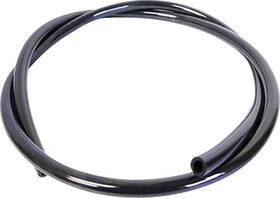
( Brand: Helix ), ( Manufacturer Part Number: 316-5026 ), ( Part Type: Fuel Line ), ( UPC: 736373988354 )
Review HELIX Fuel Line Black 3/16 Inch 10ft
The **Helix 316-5026 Fuel Line (3/16" x 10 ft)** is a high-performance, corrosion-resistant fuel transfer hose engineered for demanding applications where reliability, durability, and chemical resistance are paramount. Constructed from **reinforced, high-grade synthetic rubber**, this fuel line is designed to withstand the harsh conditions of automotive, marine, and industrial fuel systems while ensuring a secure and leak-free connection. The **3/16-inch inner diameter** provides an optimal balance between flow efficiency and structural integrity, making it suitable for transferring gasoline, diesel, ethanol blends, and other common fuels without degradation or contamination. The hose features a **double-layered construction**, combining a flexible, abrasion-resistant outer sheath with a reinforced internal liner to prevent kinking, cracking, or puncturing from debris, UV exposure, or mechanical stress. Ideal for use in fuel pumps, transfer systems, or as a replacement for standard fuel lines in vehicles, boats, or fuel storage applications, this hose is also **oil-, ozone-, and weather-resistant**, ensuring long-term performance even in extreme environments. Its **10-foot length** offers ample reach for most installations while remaining compact enough to fit in tight spaces, making it a versatile choice for both professional mechanics and DIY enthusiasts. Backed by Helix s reputation for quality and durability, this fuel line is a dependable solution for anyone seeking a robust, long-lasting alternative to standard rubber or vinyl hoses.
The **Helix 316-5026** is a stainless steel fuel line commonly used in automotive applications, particularly for fuel-injected systems. Below is a detailed breakdown of its pros and cons, followed by a conclusion and recommendation.
---
### **Pros of the Helix 316-5026 Fuel Line**
1. **Durability and Longevity**
The line is made from **316-grade stainless steel**, which is highly resistant to corrosion, rust, and chemical degradation. This makes it ideal for long-term use, especially in environments with moisture, salt, or fuel additives. Unlike rubber or nylon lines, stainless steel does not degrade over time, reducing the risk of leaks or failures.
2. **High Temperature Resistance**
Stainless steel can withstand higher temperatures compared to rubber or plastic fuel lines. This is beneficial in high-performance or turbocharged applications where fuel temperatures may rise significantly.
3. **Fuel Compatibility**
The line is compatible with most fuels, including ethanol blends (E10, E15, etc.), without swelling or degrading. This is a critical advantage over some synthetic rubber lines that may deteriorate with ethanol exposure.
4. **Easy Installation and Maintenance**
Stainless steel lines are rigid but flexible enough to be routed easily. They can be cut, bent, and secured with clamps or flanges without special tools. Replacement is straightforward, and they do not require periodic replacement like rubber lines.
5. **Environmental Resistance**
The line is resistant to UV radiation, ozone, and most automotive fluids (oil, coolant, brake fluid), making it suitable for exposed applications where rubber lines might crack or perish.
6. **Pressure Resistance**
Stainless steel lines can handle higher fuel pressures without bursting, which is useful in direct-injection or high-flow fuel systems.
7. **No Fuel Contamination**
Unlike some rubber lines that may leach chemicals into the fuel over time, stainless steel does not introduce contaminants, ensuring cleaner fuel delivery to the engine.
8. **Wide Application Range**
The 3/16-inch diameter and 10-foot length make it versatile for various applications, including aftermarket fuel systems, performance upgrades, and OEM replacements in modern vehicles.
---
### **Cons of the Helix 316-5026 Fuel Line**
1. **Rigidity**
Stainless steel is much stiffer than rubber or braided lines. This can make routing difficult in tight engine bays, especially if the line needs to bend sharply or follow complex paths. Excessive bending may require additional fittings or supports to prevent stress on the line.
2. **Potential for Leaks at Fittings**
While the line itself is durable, leaks can occur at connection points (e.g., flanges, quick-connects, or clamps) if not installed correctly. Improper sealing or loose fittings can lead to fuel leaks, which are hazardous and can damage the engine bay.
3. **Higher Cost**
Stainless steel lines are generally more expensive than rubber or nylon alternatives. For budget-conscious projects, this may be a drawback, though the long-term reliability often justifies the cost.
4. **Tooling Requirements**
Installing stainless steel lines may require additional tools, such as a **pipe cutter** or **deburring tool**, to ensure clean cuts and smooth edges. Improper cutting can lead to sharp edges that may damage O-rings or fittings.
5. **Limited Flexibility in Some Applications**
In applications where the line must flex frequently (e.g., suspension-mounted fuel lines), a braided stainless steel line or a flexible rubber line with a stainless steel core might be more suitable. The Helix 316-5026 is a rigid line and may not accommodate dynamic movement.
6. **Potential for Vibration Fatigue**
In high-vibration environments (e.g., off-road or aggressive driving), repeated stress on the line could eventually lead to cracks or failures at weak points, though this is less likely with 316-grade stainless steel than with lower-grade metals.
7. **Not Ideal for All Fuel Systems**
While compatible with most fuels, some high-performance or specialty fuel systems (e.g., those using extreme ethanol blends or biodiesel) may require additional considerations, such as specialized fittings or filters.
---
### **Conclusion**
The **Helix 316-5026 stainless steel fuel line** is an excellent choice for applications where **durability, fuel compatibility, and long-term reliability** are prioritized. Its resistance to corrosion, high temperatures, and chemical exposure makes it superior to rubber or nylon lines in most automotive and performance applications. However, its **rigidity, higher cost, and potential installation challenges** may make it less ideal for applications requiring flexibility or where space is extremely limited.
For most modern fuel-injected vehicles, aftermarket fuel system upgrades, or performance builds, the benefits of stainless steel far outweigh the drawbacks. If routing is a concern, additional fittings or supports can mitigate the rigidity issue. The line is particularly well-suited for **high-mileage vehicles, salt-corrosion environments, or applications involving ethanol blends**.
---
### **Recommendation**
**Buy the Helix 316-5026 if:**- You need a **long-lasting, corrosion-resistant** fuel line for a fuel-injected vehicle.
- Your application involves **ethanol blends, high temperatures, or harsh environments**.
- You are replacing an aging rubber line or upgrading to a more durable system.
- You are willing to invest in a **premium, low-maintenance** solution that will not require frequent replacement.
**Consider alternatives if:**- You need **maximum flexibility** in routing (e.g., in tight engine bays), in which case a **braided stainless steel line** or **flexible rubber line with a stainless steel core** may be better.
- Your budget is extremely limited, and you can find a **high-quality rubber line** (e.g., from **Dayco or Gates**) that meets your needs.
- Your application involves **extreme vibration or dynamic movement**, where a flexible line would be more appropriate.
**Final Verdict:** For most serious automotive enthusiasts and performance builders, the **Helix 316-5026 is a top-tier choice** that delivers reliability and peace of mind. Ensure proper installation with the right fittings and clamps to maximize its benefits.
Details:
Remains flexible within a wide range of working temperatures 75 F to 175 F, with melting temperature up 370 F, Superior resistance kinking, abrasion, tearing, oxidation and chemical damage, Fuel Line will not harden over time, For your safety, always use clamps when replacing tubing or hose, even on gravity fed systems.
part #: 3165026 prices
- $37.51-$40.23
specifications intakefuelmotorcycle:
- brand: Helix
- mpn: 316-5026
- part type: Fuel Line
- upc: 736373988354
seller intakefuelmotorcycle:
- # reviews: 1493
- city: Grapevine, Texas
- rating: 99.3%
offer intakefuelmotorcycle:
- options: Ship-to-home
- availability: In Stock
- sold: 0
- started: March 8, 2026
- quantity: 4
returns intakefuelmotorcycle:
- paid by: Seller
- time: 30 Days
- policy: Returns Accepted
shipping intakefuelmotorcycle:
- carrier: FedEx
- type: Fixed
- transit: 4-6 Days
- service: FedEx Ground / FedEx Home Delivery
- class: Standard
- cost: $6.99
payments intakefuelmotorcycle:
- wallet: Google-pay
- credit card: Diners-club
- other
general intakefuelmotorcycle:
- Motorcycle Scooter Parts Accessories > Air Intake Fuel Delivery > Other Air Intake Fuel Delivery
- condition: New
Helix 316-5026 Is Similar To:
- 140-0105 Helix Fuel Ln Hi-prs (38.5% similar) Actual parts may vary in appearance based on your model. Some images show accessories that are not included with the product. This occasionally happens, and is rare. Our phone number is. Expedited shipping via USPS priority mail with delivery confirmation is available. For more details: motor city ...(September 23rd, 2017)
- 140-3802 Helix Racing Products Fuel (26.2% similar) USPS shipping service. Brand: Helix racing products manufacture part number: details high quality transparent fuel line. Gov federal and state noise emissions laws regulate modifications that affect from motor vehicles, including motorcycles. Resists weathering, kinking, tearing, abrasion and impact...(August 15th, 2017)
- 140-3803 Helix Racing Products Fuel Line Green (37.9% similar) USPS shipping service. Made of 100 polyurethane that can accommodate up to 10 alcohol content in fuel. Resists weathering, kinking, tearing, abrasion and impact. Brand: Helix racing products manufacture part number: details high quality transparent fuel line. Contains no plasticizes that cause ...(May 12th, 2018)
- 140-3804 Helix Racing Products Fuel (26.2% similar) Made of 100 polyurethane that can accommodate up to 10 alcohol content in fuel. Contains no plasticizes that cause hardening. Resists weathering, kinking, tearing, abrasion and impact. Details high quality transparent fuel line...(December 10th, 2017)
- 140-3805 Helix Racing Products Fuel Line Purple (37.5% similar) Made of 100 polyurethane that can accommodate up to 10 alcohol content in fuel. Resists weathering, kinking, tearing, abrasion and impact. Brand: Helix racing products manufacture part number: details high quality transparent fuel line. USPS shipping service. Gov federal and state noise emissions ...(April 11th, 2018)
- 140-3806 Helix Racing Products Fuel (26.2% similar) Contains no plasticizes that cause hardening. Made of 100 polyurethane that can accommodate up to 10 alcohol content in fuel. Resists weathering, kinking, tearing, abrasion and impact. Details high quality transparent fuel line...(July 19th, 2017)
- 180-1405 Helix Racing Products Carburetor Vent Line Purple (29.9% similar) ...(August 16th, 2018)
- 380-0304 Helix Fuel Ln Hi-prs (38.5% similar) For more details: motor city sports center, inc. Return number must be on the outside of box, otherwise package will refused. This occasionally happens, and is rare. Expedited shipping with delivery confirmation is available. Actual parts may vary in appearance based on your model. Our phone number ...(September 6th, 2017)
- 380-0306 Helix Fuel Ln Hi-prs (38.5% similar) Expedited shipping via USPS priority mail with delivery confirmation is available. Manufacturer: Helix manufacturer number: made in: us sold quantity: ea fits: note: image shown is for reference only. Our phone number is. Return number must be on the outside of box, otherwise package will refused. ...(July 6th, 2017)
- Products Racing 380-1202 Helix Colored Fuel Line (34.3% similar) ...(August 18th, 2014)
- 380-9313 Helix Racing Products Fuel Line Id Ft (42.1% similar) Gov federal and state noise emissions laws regulate modifications that affect from motor vehicles, including motorcycles. Brand: Helix racing manufacture part number: size: 3/8 in. USPS shipping service. Home motor parts jackets helmets boots chaps and pants vests saddlebags gloves Helix racing OE-...(June 17th, 2018)