BOYESEN MN-WE2Y Reeds Fuel Cj MN/WE2Y
fits model: 250, 2x4, Trail, Boss. make: Polaris. year: 1988–1993.
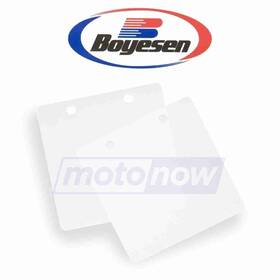
( Brand: Boyesen ), ( Manufacturer Part Number: MN/WE2Y ), ( Compatible Year: 1993 1992 1991 1990 1989 1988 ), ( Compatible Model: Trail Boss 250 2x4 ), ( Bundle Description: 1 Pc Genuine Boyesen Super Stock Reeds ), ( Type: Super Stock Reeds ), ( Core Charge: Free No Core Charge ), ( Fitment Type: Direct Replacement )
Review BOYESEN Mn/we2y Super Stock Reeds Polaris Fuel And Cj fits TRAIL BOSS 250 2X4 1988–1993
The **Boyesen MN/WE2Y Reeds** are a meticulously engineered, high-performance replacement for the original fuel reeds found on the **1988 through 1993 Polaris Trail Boss 250 fuel-injected models**, including the CJ variant. Designed to restore and enhance the carburetion system s efficiency, these reeds are crafted from durable, precision-machined stainless steel, ensuring long-lasting reliability and optimal fuel flow. The Boyesen MN/WE2Y reeds are specifically tailored to match the exact specifications of the Trail Boss s fuel injection system, providing a seamless fit that eliminates common issues like clogging, uneven fuel distribution, or reduced engine performance. Unlike generic aftermarket alternatives, these reeds are built to replicate the original OEM design with enhanced durability, reducing the risk of wear or failure over time. Whether you re restoring a classic Trail Boss to its peak condition or upgrading an existing setup for better throttle response and fuel economy, the Boyesen MN/WE2Y reeds deliver a noticeable improvement in engine smoothness and power delivery. Their straightforward installation requiring minimal disassembly makes them an ideal choice for both DIY enthusiasts and professional mechanics seeking a cost-effective yet high-quality solution. With a reputation for precision and performance, these reeds are a trusted upgrade for anyone looking to breathe new life into their Trail Boss s fuel system.
**Pros and Cons of Buying Boyesen MN/WE2Y Reeds for a 1988-1993 Polaris Trail Boss 250 Fuel-Cutting Jet**
### **Pros:**1. **Improved Fuel Efficiency** Boyesen reeds are designed to restrict fuel flow slightly, reducing fuel consumption without significantly impacting performance. This can be particularly useful for older Polaris models that may have minor fuel leaks or inefficient carburetion.
2. **Reduced Fuel Waste** The Trail Boss 250, especially in its later years, was known for consuming fuel at a higher rate than necessary. Boyesen reeds can help mitigate this by preventing excessive fuel from entering the combustion chamber when it isn t needed.
3. **Simplified Maintenance** Unlike full carburetor rebuilds or upgrades, Boyesen reeds are a straightforward aftermarket solution. They require no major disassembly and can be installed quickly, making them a low-effort modification.
4. **Cost-Effective** Compared to other performance or fuel-saving modifications (such as electronic fuel injection or high-performance carburetions), Boyesen reeds are relatively inexpensive. They offer a budget-friendly way to address fuel waste without major engine work.
5. **Compatibility** Boyesen reeds are designed to fit a wide range of two-stroke engines, including the Trail Boss 250 s carburetion setup. They are a proven solution for similar Polaris models from the same era.
6. **Minimal Performance Loss** While there may be a slight reduction in throttle response or top-end power, Boyesen reeds are engineered to maintain drivability. For most riders, the trade-off is negligible, especially if fuel economy is the primary concern.
7. **Easy to Install and Remove** These reeds can be swapped in and out without specialized tools, allowing riders to revert to stock settings if needed. This flexibility makes them ideal for occasional use or testing.
---
### **Cons:**1. **Limited Performance Gain** If the primary goal is raw power or acceleration, Boyesen reeds will not provide meaningful improvements. The Trail Boss 250 was already a capable off-road bike, and these reeds are not a performance upgrade.
2. **Potential for Over-Restriction** If the reeds are too restrictive for the rider s conditions (e.g., high-altitude riding, heavy loads, or aggressive throttle use), the engine may struggle to maintain power or could experience overheating. This is less likely on a Trail Boss but worth considering.
3. **No Solution for Major Fuel Issues** If the fuel system has leaks, clogged jets, or a failing carburetor, Boyesen reeds alone will not fix these problems. They may mask symptoms temporarily but won t address underlying mechanical issues.
4. **Durability Concerns** While Boyesen reeds are generally durable, they are not as robust as the original carburetor components. Over time, they may wear out or become less effective, requiring replacement.
5. **Mixed Reviews on Longevity** Some users report that Boyesen reeds degrade faster than expected, especially under heavy use. This can lead to inconsistent fuel delivery and reduced effectiveness over time.
6. **Not a Permanent Fix** Boyesen reeds are a temporary solution. If the engine s fuel efficiency issues stem from wear (e.g., worn piston rings, valve seals, or a leaking crankcase), they will not resolve the root cause.
7. **Potential for Voiding Warranty (If Applicable)** While unlikely on a used bike, if the Trail Boss is still under warranty or part of a restoration project, aftermarket reeds could void coverage if the manufacturer considers them a modification.
---
### **Conclusion:**Boyesen MN/WE2Y reeds are a practical, low-cost modification for reducing fuel waste on a 1988-1993 Polaris Trail Boss 250, particularly if the bike is used for casual riding or if fuel efficiency has become a noticeable issue. They are easiest to justify for riders who:
- Primarily use the bike for short trips or light off-roading.
- Want a simple, reversible solution without major engine work.
- Are willing to accept a minor trade-off in performance for better fuel economy.
However, they are not a comprehensive fix for mechanical problems or a performance upgrade. If the Trail Boss has other fuel-related issues (e.g., leaks, carburetor fouling), addressing those first would yield better long-term results.
For riders who prioritize power, reliability, or plan to use the bike aggressively, the benefits of Boyesen reeds may not outweigh the drawbacks. In such cases, a carburetor rebuild, fuel system inspection, or other performance-focused modifications might be more appropriate.
---
### **Recommendation:** - **Install Boyesen reeds if:**- You notice excessive fuel consumption without obvious mechanical issues.
- You want a quick, reversible way to save fuel without major modifications.
- You ride the Trail Boss casually and don t need maximum performance.
- **Avoid Boyesen reeds if:**- You rely on the bike for heavy-duty or high-performance use.
- The fuel system has known leaks, clogs, or other problems that need addressing.
- You prefer a more permanent solution (e.g., carburetor tuning or fuel injection).
- **Alternative Approach:** If fuel efficiency is the main concern, consider:- **Carburetor cleaning and adjustment** A rebuild or professional tuning may offer better results than reeds alone.
- **Fuel system inspection** Check for leaks, worn seals, or clogged jets.
- **Riding habits** Adjusting throttle control and maintaining proper chain tension can also improve efficiency.
For most Trail Boss 250 owners, Boyesen reeds are a reasonable stopgap, but they should not be seen as a long-term solution for fuel waste. Pairing them with regular maintenance will ensure the best results.
Details:
Boyesen Super Stock Reeds for 1988 - 1993 Polaris Trail Boss 250 2X4 - Fuel cj: Status: In.
part #: mnwe2y price
- $45.44
specifications intakefuelmotorcycle:
- for models: 250, 2x4, Trail, Boss
- for makes: Polaris
- for years: 1988-1993
- brand: Boyesen
- mpn: Mn/we2y
- compatible year: 1993 1992 1991 1990 1989 1988
- compatible model: Trail Boss 250 2x4
- bundle description: 1 Pc Genuine Boyesen Super Stock Reeds
- type: Super Stock Reeds
- core charge: Free No Core Charge
- fitment type: Direct Replacement
shipping intakefuelmotorcycle:
- cost: $0.00
- transit: 3-8 Days
- service: Standard
- type: Fixed
- class: Standard
offer intakefuelmotorcycle:
- sold: 0
- options: Ship-to-home
- availability: In Stock
- started: February 23, 2026
- quantity: 1
general intakefuelmotorcycle:
- condition: New
- Motorcycle Scooter Parts Accessories > Air Intake Fuel Delivery > Other Air Intake Fuel Delivery
seller intakefuelmotorcycle:
- # reviews: 17825
- rating: 98.8%
- city: Multiple warehouses
payments intakefuelmotorcycle:
- credit card: Discover
- other
- wallet: Apple-pay
returns intakefuelmotorcycle:
- paid by: Seller
- time: 30 Days
- policy: Returns Accepted
Boyesen MN-WE2Y Is Similar To:
- 011r Boyesen Power Reeds Reed Petal (34.1% similar) See if someone else accepted the delivery on your behalf at address. Generic image shown. Boyesen power reeds this item fits the following model's: Kawasaki JS300 1988 1987 1986 300SX 1991 1990 1989 type: reed petal style: dual stage material: fiberglass sold as: each use a patented ...(November 23rd, 2018)
- 012r Boyesen Power Reeds (30.4% similar) Part: power reeds Boyesen 012R applications 1988 Kawasaki JF650 X2 1988 JS650 650SX1989 X21989 TS1990 X21990 650SX1991 JL650 991 X21991 TS1992 650SX1992 992 X21993 650SX1993 993 TS1994 994 X21994 TS1995 995 X21995 TS1996 gifts use a patented dual stage fiberglass design for more air flow, ...(November 10th, 2018)
- Yz Power Reeds Yamaha Boyesen Yz60 11981-1983 60 (26.5% similar) More air flow, more air velocity and more power...(August 5th, 2014)
- 12 Boyesen Watercraft Power Reeds 804429000029 (31.3% similar) Expedited shipping via USPS priority mail with delivery confirmation is available. This occasionally happens, and is rare...(June 7th, 2018)
- 5243934 Boyesen New Pro Series Carbon Reeds Bin (35.6% similar) I really appreciate that. If I am at fault pay return shipping back to me. Boyesen pro series carbon reed 44 CR250 RM250 new in package bin 214 fast free USA shipping. This would make a great item for anyone...(July 14th, 2018)
- Stock Super 568sf1 Reeds Boyesen (31.7% similar) What makes us different let's face it. There are simply too many variables that apply to clothing sizing for the human body. You can even come in and see us at our newly re model ed retail store. Motorcycle market offers the best brand names and the highest quality goods. We, like any technology ...(September 11th, 2014)
- 601 Boyesen Power Reeds Dual Stage Fiberglass 804429002894 (35.6% similar) Improved engine efficiency and fuel economy for the long distance rider. More air velocity. The multi-port feature of bottom reed creates more channels for charge, delivering increased velocity to intake ports. More horsepower throughout the power band for guaranteed performance. Dual-stage reeds ...(May 1st, 2018)
- 603 Boyesen Power Reeds For 665760824718 (40.6% similar) Boyesen power reeds plus free contrasting sticker fits Yamaha YZ80 years 1980 through 1984 use a patented dual stage fiberglass design. More air flow, velocity and power...(July 12th, 2017)
- 604 Boyesen Power Reeds Dual 804429002924 (35.7% similar) Crisper throttle response for fast corner exits and surer jumps. More air velocity. The difference in stiffness between top reed and bottom allow reeds to respond quickly accurately changes engine pressure. The benefits price shown is for one set of reeds. Note: certain model's need to use the stock...(October 31st, 2017)
- 605 Boyesen Power Reeds Dual 804429002931 (35.7% similar) Improved engine efficiency and fuel economy for the long distance rider. More overall power. More horsepower throughout the power band for guaranteed performance. Compare the microfiche for USA model to your be sure they are same. The benefits price shown is for one set of reeds. Note: image may not...(September 1st, 2017)
- 609 Boyesen Power Reeds 1980-1993 804429002986 (43.3% similar) Expedited shipping with delivery confirmation is available. Images are the manufacturer. Expedited shipping via USPS priority mail with delivery confirmation is available. This occasionally happens, and is rare. Return number must be on the outside of box, otherwise package will refused. Actual ...(July 26th, 2017)