KAWASAKI 16065-1032 Injection Holder Air Flow Meter Nos
fits model: Kz, 1000. make: Kawasaki. year: 1980.
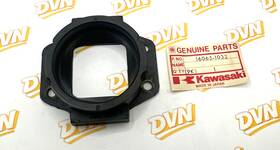
( Manufacturer Part Number: 16065-1032 ), ( Part Type: Flow Holder Meter ), ( Country Of Origin: Japan )
Review KAWASAKI 1000injection Holder Air Flow Meter Nos fits KZ 1000 1980
The **Kawasaki 16065-1032 KZ1000 Injection Air Flow Meter Holder** from the 1980 model year is a meticulously crafted component designed to ensure optimal performance and reliability for Kawasaki s legendary **KZ1000-6** inline-six engine. This part plays a critical role in the engine s air intake system, housing the **air flow meter** a vital sensor that regulates fuel injection by measuring the volume of air entering the engine. Crafted from durable materials, the holder is engineered to maintain precise alignment and structural integrity, preventing misalignment or wear that could compromise airflow efficiency. Its design reflects Kawasaki s commitment to both performance and longevity, with reinforced mounting points to withstand the vibrations and stresses of high-revving engines. Whether restoring a classic KZ1000 or maintaining one in peak condition, this air flow meter holder is an essential replacement part, ensuring accurate readings for the fuel injection system while contributing to smoother operation and enhanced throttle response. The part s compatibility with the 1980 model underscores its importance in preserving the engine s original functionality, making it a sought-after component for enthusiasts and mechanics alike.
### **Pros and Cons of Buying a Kawasaki 1980 KZ1000 Injection (Serial Number: 16065-1032, No Air Flow Meter, NOS Condition)**
#### **Pros**
1. **Classic Design and Prestige**
The Kawasaki KZ1000 is an iconic motorcycle from the golden era of Japanese sport bikes. Its timeless design, aggressive styling, and reputation as a high-performance machine make it a desirable collector s item. Owning one connects you to a legacy of engineering excellence from the late 1970s and early 1980s.
2. **High Performance for Its Era**
The KZ1000 was one of the fastest production motorcycles of its time, capable of speeds exceeding 130 mph (210 km/h) in stock form. The 996cc parallel-twin engine, paired with a five-speed transmission and a lightweight frame, delivered thrilling acceleration and handling. Even today, it holds up well against modern naked bikes in terms of raw power-to-weight ratio.
3. **NOS (New Old Stock) Condition**
The fact that this bike is NOS (or very close to it) means it has likely been stored properly since new, with minimal use or wear. This reduces the risk of major mechanical issues associated with heavily ridden or neglected classics. NOS parts are also easier to source, as they were produced in limited quantities and remain in demand.
4. **No Air Flow Meter**
The absence of an air flow meter (AFM) simplifies the fuel injection system. The Kawasaki KZ1000 Injection model used a carbureted system with electronic fuel injection (EFI) for precise fuel delivery. Without an AFM, the system relies on sensors like the throttle position sensor (TPS) and crankshaft position sensor (CKP), which are generally more reliable and easier to diagnose than AFM-based systems. This can make tuning and maintenance less complex.
5. **Strong Aftermarket Support**
The KZ1000 has a dedicated following, with a thriving aftermarket for parts, restoration kits, and performance upgrades. Components like exhaust systems, suspension upgrades, and engine mods are widely available, allowing owners to customize the bike to their preferences.
6. **Potential for High Resale Value**
Well-preserved, NOS KZ1000s are highly sought after by collectors and enthusiasts. If maintained properly, this bike could appreciate in value over time, especially if Kawasaki discontinues production of similar models.
7. **Riding Experience**
The KZ1000 offers a raw, aggressive riding experience that appeals to purists. Its lightweight frame, sharp handling, and powerful engine provide a sense of speed and control that modern touring bikes often lack. The lack of modern comfort features (like ergonomic seating or windshields) means the focus remains on the pure riding experience.
---
#### **Cons**
1. **Age and Wear**
Despite being NOS, the bike is over 40 years old. Even in pristine condition, the materials used in the 1980s (e.g., rubber seals, bearings, and plastics) may degrade over time, requiring eventual replacement. Components like the clutch, chain, and suspension may still need attention after decades of storage.
2. **Maintenance and Upkeep Costs**
Classic motorcycles require more frequent and specialized maintenance than modern bikes. Parts like gaskets, seals, and bearings may need replacement more often due to age-related wear. Additionally, finding a qualified mechanic familiar with pre-1990 Japanese bikes can be challenging and costly.
3. **Fuel Injection Complexity**
While the lack of an AFM simplifies the system somewhat, the EFI setup still requires careful tuning. Modern fuel systems are more forgiving, but the KZ1000 s injection system may need adjustments for contemporary fuel types or environmental conditions. Issues like sensor failures or wiring problems can be tricky to diagnose.
4. **Safety and Modern Standards**
The KZ1000 lacks modern safety features such as ABS, traction control, or advanced braking systems. Its braking system (likely a drum or basic disc setup) may not perform as well as contemporary systems, especially at high speeds. The lack of modern ergonomics (e.g., adjustable seat height, wind protection) can also make long rides uncomfortable.
5. **Legal and Insurance Challenges**
Older motorcycles may face restrictions in some regions regarding emissions, noise, or safety standards. Some areas require modern safety equipment (e.g., turn signals, reflectors) that may not be original to the bike. Insurance for a classic bike can also be more expensive due to higher risk or limited coverage options.
6. **Limited Practicality for Daily Use**
The KZ1000 is not designed for daily commuting or long-distance touring. Its aggressive stance, lack of storage, and fuel efficiency (compared to modern bikes) make it more suited for weekend rides or track use. Panniers, wind protection, and modern fuel efficiency are not priorities in its design.
7. **Potential for Hidden Issues**
Even in NOS condition, a bike this old may have hidden problems. For example:- **Engine wear**: The crankshaft, camshaft, or bearings may show signs of wear after decades of storage.
- **Electrical issues**: Wiring harnesses, switches, or sensors may degrade over time.
- **Frame or suspension fatigue**: The aluminum frame or suspension components may have weakened due to age.
A thorough inspection by a trusted mechanic is essential before purchase.
8. **Environmental and Emissions Concerns**
The KZ1000 s engine does not meet modern emissions standards, which could limit where it can be ridden in some areas. Additionally, older fuel types (e.g., leaded gasoline) may not be available, requiring the use of modern fuels that could affect performance or longevity.
---
### **Conclusion**
The Kawasaki 1980 KZ1000 Injection (serial number 16065-1032, NOS, no AFM) is a remarkable machine that offers a blend of historical significance, raw performance, and collector s appeal. It is ideal for enthusiasts who prioritize the riding experience, aesthetics, and the challenge of maintaining a classic bike. However, it is not a practical choice for daily use or those seeking modern convenience and safety features.
The lack of an air flow meter simplifies the fuel system, but the overall complexity of a 40-year-old motorcycle means that ownership requires patience, mechanical skill, and a willingness to invest in upkeep. If you are prepared for the challenges including potential maintenance costs, legal hurdles, and the need for specialized care this bike could be an incredible addition to your collection or a passion project.
For someone who values nostalgia, performance, and the thrill of riding a piece of motorcycle history, the KZ1000 is a fantastic choice. However, if you seek a bike for everyday use, reliability, or modern comforts, a contemporary or slightly newer classic would be a more practical option.
---
### **Recommendation**
**Buy the bike if:**- You are a motorcycle enthusiast with experience maintaining or restoring classics.
- You have a budget for potential repairs, upgrades, and insurance.
- You prioritize the riding experience, aesthetics, and historical value over practicality.
- You plan to use it primarily for track days, weekend rides, or as a showpiece.
- You are prepared to invest time in learning about its systems (e.g., EFI tuning, carburetor adjustments).
**Avoid buying the bike if:**- You expect it to be a low-maintenance, daily-riding machine.
- You lack mechanical experience or access to a skilled classic bike mechanic.
- You are concerned about legal restrictions or insurance challenges in your area.
- You prefer modern safety and comfort features.
- You are not willing to accept the risk of hidden mechanical issues despite its NOS condition.
**Next Steps Before Purchase:**1. **Inspect Thoroughly**: Have a trusted mechanic (preferably one with experience in Kawasaki classics) perform a pre-purchase inspection. Focus on the engine (compression, leaks, wear), electrical system, and frame integrity.
2. **Test Ride**: If possible, take the bike for a test ride to assess handling, throttle response, and overall condition.
3. **Documentation**: Verify the serial number matches the frame and engine, and ensure the bike has a clean title or proper documentation.
4. **Budget for Restoration**: Set aside funds for potential upgrades (e.g., modern brakes, suspension, exhaust) and maintenance.
5. **Join the Community**: Connect with KZ1000 owners or forums (e.g., Kawasaki Owners Group, Classic Motorcycle forums) for advice and part sourcing.
Ultimately, the KZ1000 is a dream machine for the right owner one who appreciates its legacy and is ready to embrace the challenges of keeping it alive for years to come.
Details:
Model lists are for reference only and may not be complete. Kawasaki KZ Z 1000Injection 1980 HOLDER,AIR FLOW METER 16065-1032 NOS. LISTING IS FOR ONE 1.
part #: 160651032 prices
- $89.00-$100.68
specifications intakefuelmotorcycle:
- for models: Kz, 1000
- for makes: Kawasaki
- for years: 1980
- mpn: 16065-1032
- part type: Flow Holder Meter
- country of origin: Japan
offer intakefuelmotorcycle:
- options: Ship-to-home
- started: March 7, 2026
- availability: In Stock
- sold: 0
- best offers: True
- quantity: 1
shipping intakefuelmotorcycle:
- service: USPS Ground Advantage, FedEx 2Day, USPS Priority Mail
- carrier: USPS, FedEx
- cost: $5.52
- class: Standard, Expedited
- type: Calculated
- transit: 5-11 Days
seller intakefuelmotorcycle:
- # reviews: 45
- rating: 97.9%
- city: Houston, Texas
payments intakefuelmotorcycle:
- wallet: Apple-pay
- other
- credit card: Mastercard
returns intakefuelmotorcycle:
- paid by: Seller
- policy: Returns Accepted
- time: 30 Days
general intakefuelmotorcycle:
- condition: New
- Motorcycle Scooter Parts Accessories > Air Intake Fuel Delivery > Other Air Intake Fuel Delivery
Kawasaki 16065-1032 Is Similar To:
- Zr750c Zephyr Usa 91-93 Filter Kawasaki Ship 1011-0365 Air Free Flo (31.7% similar) ...(August 29th, 2014)
- 1011670001 Kawasaki Maier Aftermarket Kfx Air Box Cover Black (33.1% similar) New kawasaki air box cover black. Contact your local dealer for fitment questions. All parts are marked from the riding position. This item for sale may fit other makes, model's, and years...(November 19th, 2018)
- 106-165 Drag Zx11 Turbo System Zzr12 Zx12 Zzr11 Injection Stand Fuel Kawasaki (31.6% similar) These parts have been sitting on a shelf for many years. The bike was never reassembled. The fuel system appears to be a three stage for the fuel pressure. I am sure that it could be used on many different bikes and motors. The motor needed rods. This intake and fuel system was removed from a ...(December 30th, 2014)
- 1060162 Kawasaki Ninja Airbox Air Intake Filter Box (39% similar) More options available upon request. If the item does not fit motorcycle model's specified in listing. Each part is systematically placed to be easily located once purchased. Many countries only allow 79 max package length and girth combined...(July 5th, 2018)
- 11-6164 11-4164 Supply New Kawasaki Police Carb Holder Intake Boots (34.5% similar) 4 brand new carb holders side id 34MM made in japan kawasaki part nos fits z1 Z1A Z1B KZ900A4 1976 KZ900B1 ltd KZ1000A1 a2 KZ1000A3 a4 Mike KZ1000B1 b2 b3 b4 KZ1000C1 C1A c2 c3 c4 police KZ1000E1 e2 shaft 1978 KZ1000D1 Z1R 1980 KZ1000D3...(July 7th, 2018)
- Kle 11010-0108 Ex650r Air Kawasaki Ninja Er Versys 650 Box (24.4% similar) Please feel free to ask questions or picture requests. This list is a courtesy. I took many pictures of all angles so take a look. See list below. This item is in used condition see pictures. See pictures. It has a few scuffs and is missing a few screws as shown. This item is an air box from a 2006...(August 30th, 2014)
- 11010-0153 Not Specified Kawasaki Versys Airbox Air Intake Filter Box (31.2% similar) I combine shipping as long it fits in the same box. These are used parts, so I ask you to please look at pictures and read the carefully. Removed from: kawasaki with miles please review all pictures to assess the condition of item. Oem parts aftermarket tires Yamaha Suzuki BMW accessories tools ...(March 31st, 2019)
- 11010-0156 Not Specified Kawasaki Ninja Airbox Air Intake Filter Box (34.3% similar) 2009 kawasaki ninja 650R EX650C air box this is in very good condition and shows normal signs of wear. Please see pictures. Removed from a kawasaki ninja 650R EX650C comes as pictured...(August 22nd, 2018)
- 11010-0198 Kawasaki Ninja Air Intake Box Airbox Filter Housing (34.3% similar) So we wish for you to only have a positive experience. What is in the pictures. Addition photo may be seen in top left corner of this listing by using scroll bar. You can also be assured that the service will continue after receive purchase. Larger sized items may go FedEx ground. Can't find the ...(June 27th, 2018)
- 11010-071-21 Kawasaki 1977 Ke125 Air (33.3% similar) Or visit our for tons of great deals on new and used parts. Some bags could be ripped or may have been taped up, hardware missing. Item: 5611: please review all of the photos...(February 21st, 2018)
- 11010-0713 Yamaha Kawasaki Ninja Airbox Air Intake Filter Box (36.1% similar) Removed from: 2013 kawasaki ninja ZX10R ZX1000J with unknown miles please review all pictures to assess the condition of item. R cycle parts 2013 kawasaki ninja ZX1000J ZX10R air box air intake filter box this is in very good condition and shows normal signs of wear...(March 29th, 2019)